AC Install in Charleston, SC: How to Choose the Right System
Choosing the right cooling system before calling a contractor may be the most important step in any AC install, and Charleston, SC, homeowners face a distinct set of decisions shaped by the area's humid subtropical climate. The decisions covered here — system type, duct infrastructure, efficiency ratings, and sizing — are the ones worth understanding before that first contractor conversation.
Central AC vs. Heat Pump: Which Makes More Sense in Charleston?
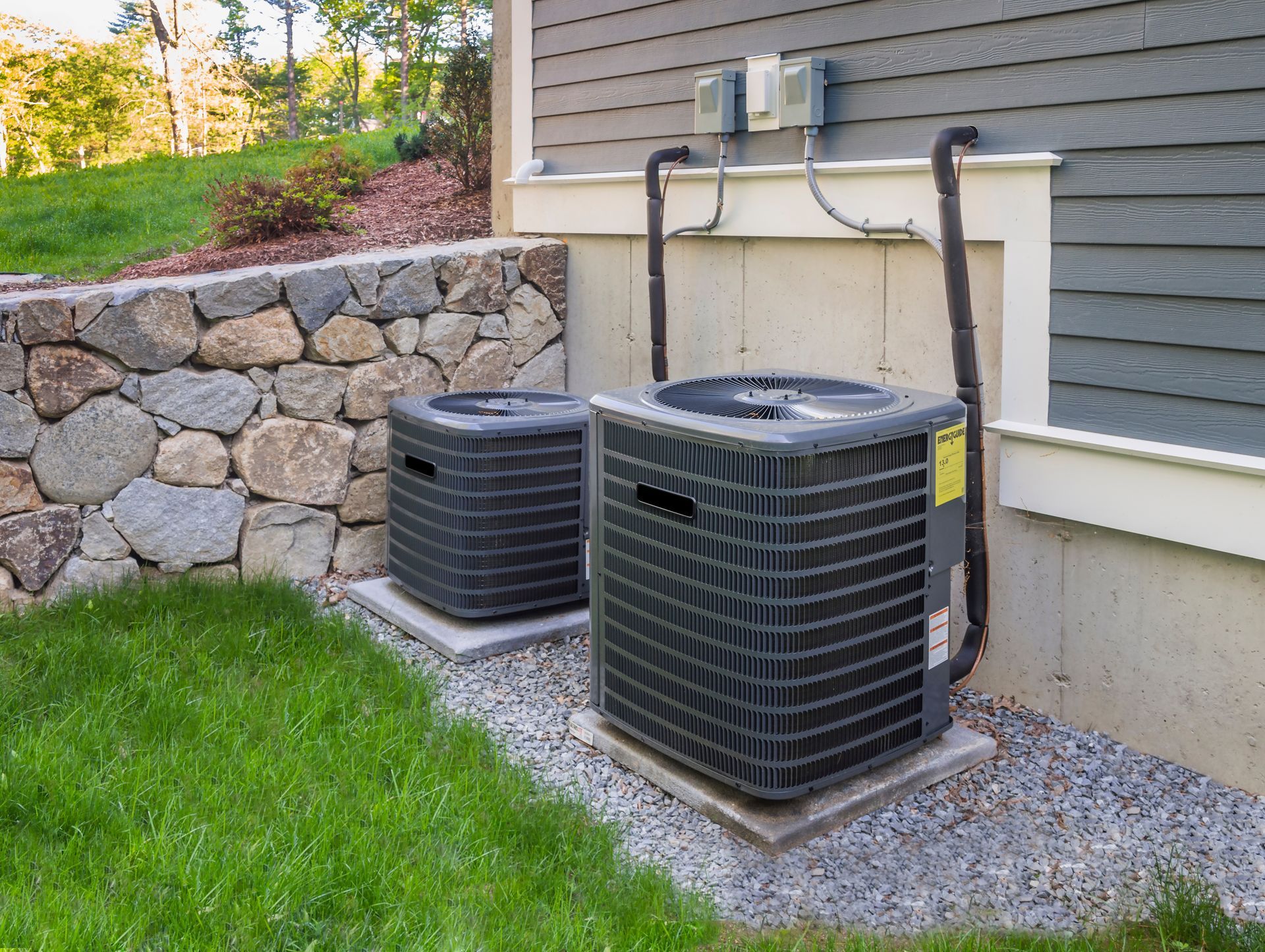
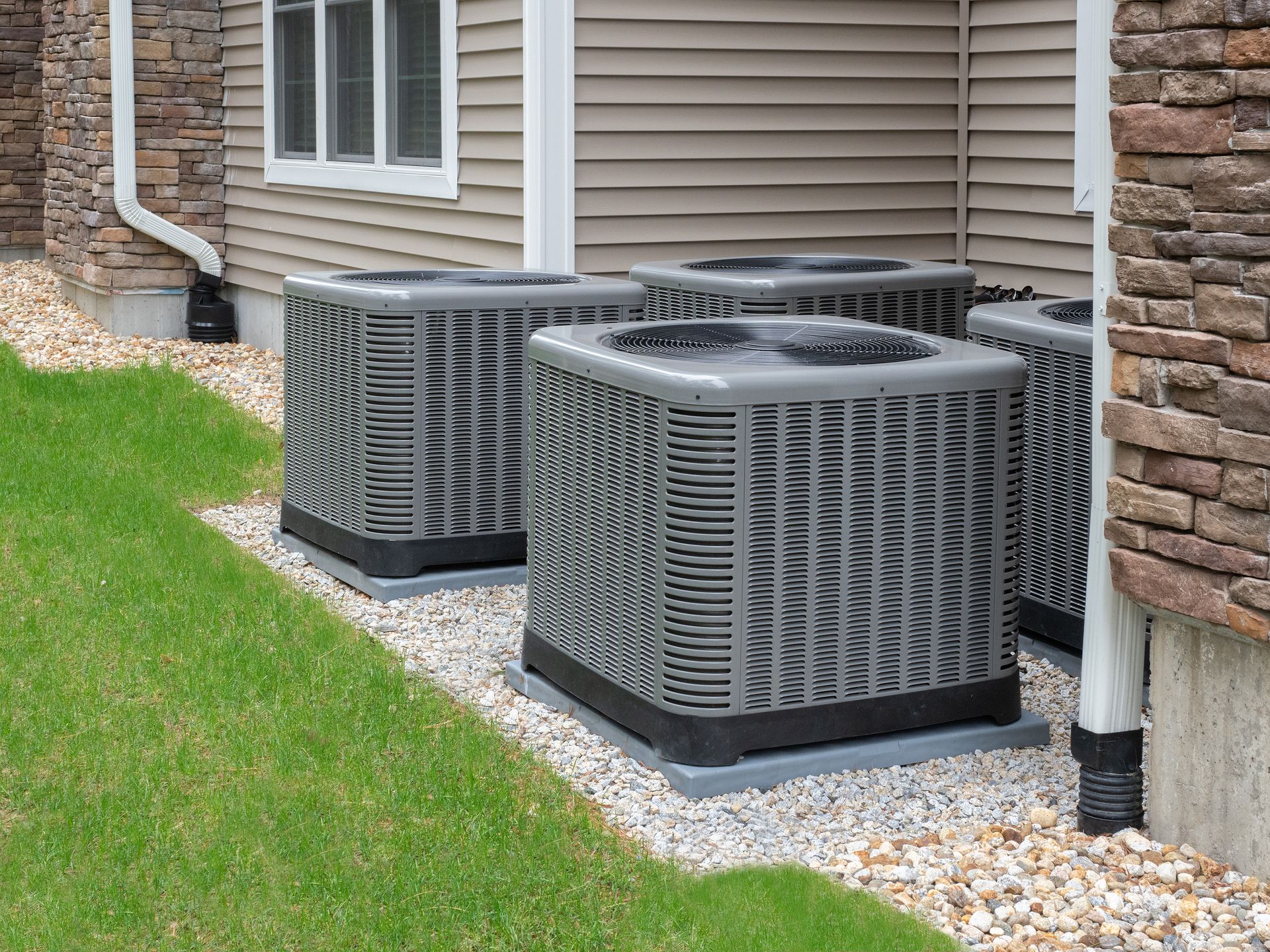
A heat pump is often the stronger default choice for whole-home comfort in Charleston. January average lows sit around 44°F, meaning heating demand rarely pushes a heat pump into the range where it needs frequent auxiliary backup. A heat pump handles both cooling and heating with a single system, and the short heating season here makes that versatility valuable long-term.
Central AC paired with a gas furnace may still suit homes where gas infrastructure is already in place or where occupants want a dedicated high-capacity heating source. A licensed contractor can help weigh your existing equipment, utility costs, and home layout before you commit.
Ducted vs. Ductless: An Infrastructure Question
Whether to go ducted or ductless depends primarily on what your home already has. Homes with existing ductwork in good condition are strong candidates for a ducted central system or ducted heat pump.
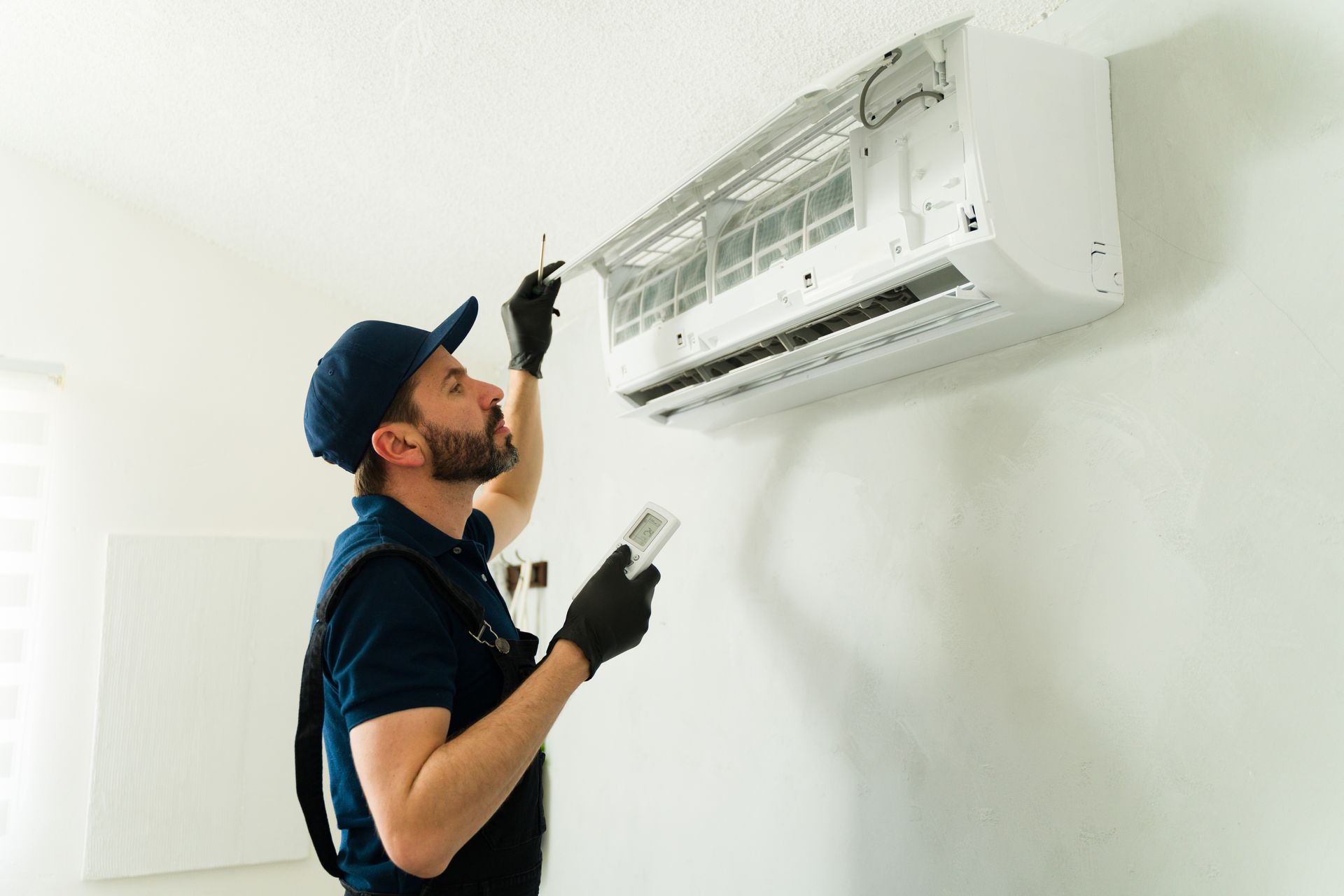
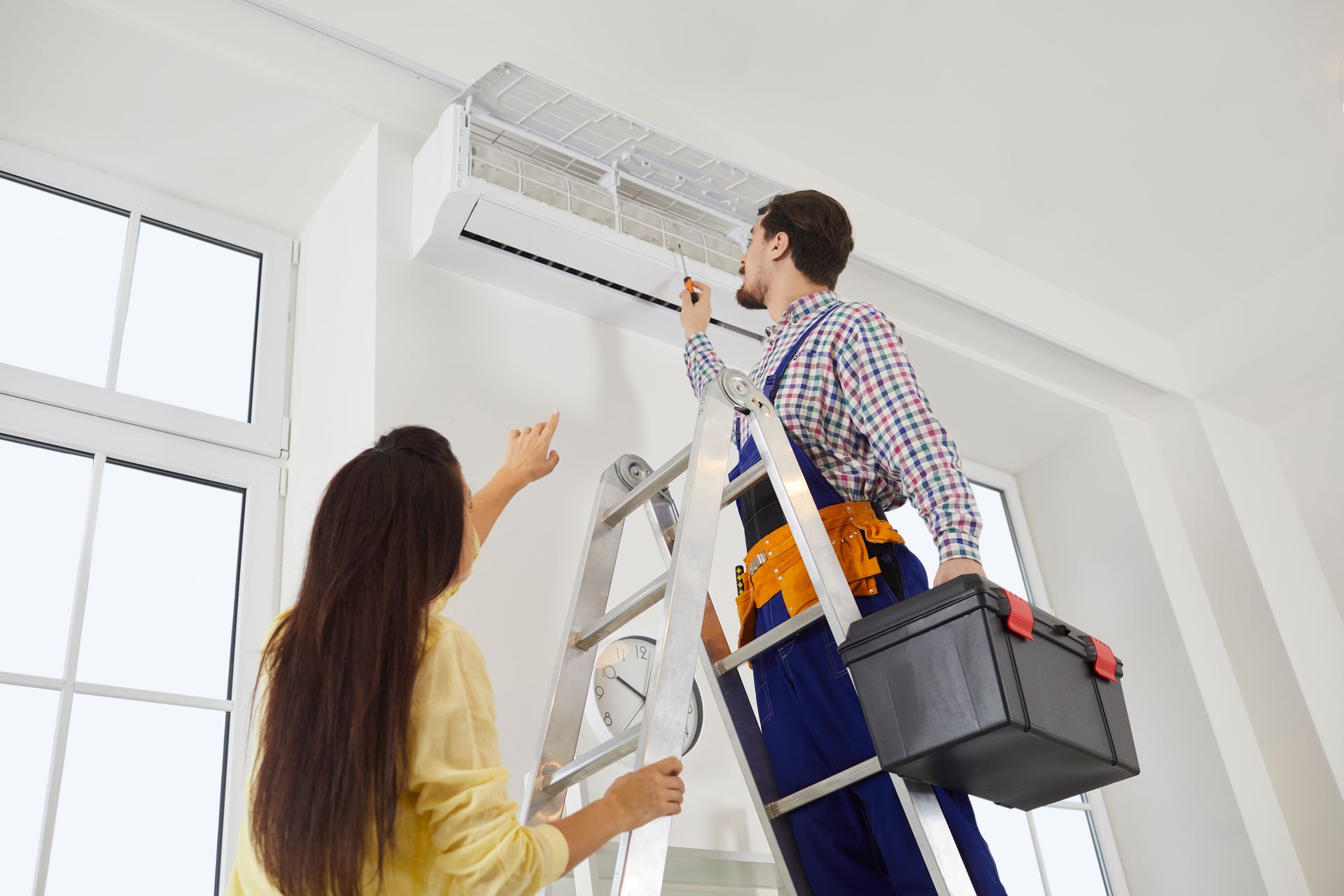
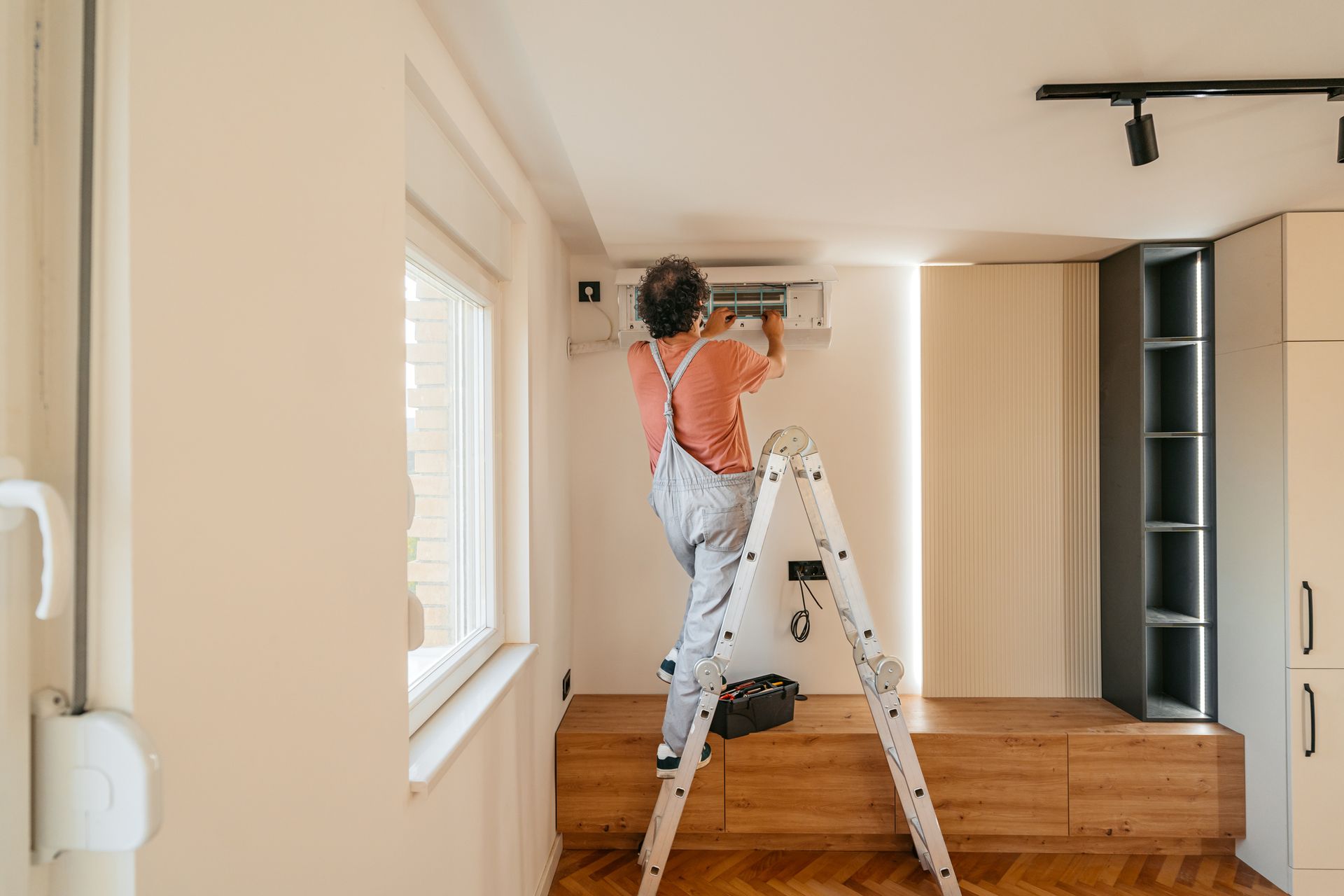
Homes without ductwork tell a different story. Historic Charleston properties, room additions, sunrooms, and detached spaces often make duct installation impractical or expensive. In those cases, a ductless mini-split delivers conditioned air directly to each zone without duct runs and can also supplement an existing ducted system in areas that run hot or cold.
The honest question to ask before an AC system installation: what does your infrastructure support?
SEER2 Ratings and Why They Matter More in SC
South Carolina requires a minimum SEER2 rating of 14.3 for residential split systems under 45,000 BTU. That is the floor, not the target. Because Charleston's cooling season stretches across six months or more, a system running near minimum efficiency operates for a long time at a higher cost per hour. The upfront cost difference between a minimum-efficiency unit and a higher-SEER2 model can often be recovered through energy savings over a long cooling season. Aiming above the minimum threshold is worth discussing with your contractor before finalizing equipment.
Why AC System Installation Sizing Matters More in Charleston, SC's Coastal Climate
Proper sizing is not just a square footage calculation in Charleston. An oversized system short-cycles, cooling the air quickly and shutting off before removing meaningful humidity. The result is a home that feels cool but clammy, a common outcome in coastal South Carolina. A correctly sized system runs longer cycles, manages both temperature and moisture, and maintains a more consistent indoor environment.
A Manual J load calculation accounts for insulation, window placement, ceiling height, orientation, and local climate data. In Charleston's humid coastal climate, this calculation matters more than it would in a drier market. Ask any contractor you speak with whether they perform Manual J as part of their process.
Ready to Choose the Right System for Your Charleston Home?
Carolina Air Care serves Charleston, SC, homeowners with AC installation options matched to real local conditions. As a Lennox Premier Dealer and Rheem partner, the equipment offered reflects proven brands selected to perform in the Lowcountry's climate. Before your contractor conversation, explore the Charleston AC installation page to learn more about available options, or visit the installation and replacement services page for a broader overview of the process. Ready to get started? Call (843) 771-3315 or find Carolina Air Care on Google Maps to request a free estimate.