How Mount Pleasant, SC Homeowners Know When to Replace Their Heating System
Knowing your heating system's age and performance signals can help Mount Pleasant, SC, homeowners avoid the cycle of repeated repairs and make a confident decision about home heating system installation before the next cold snap arrives.
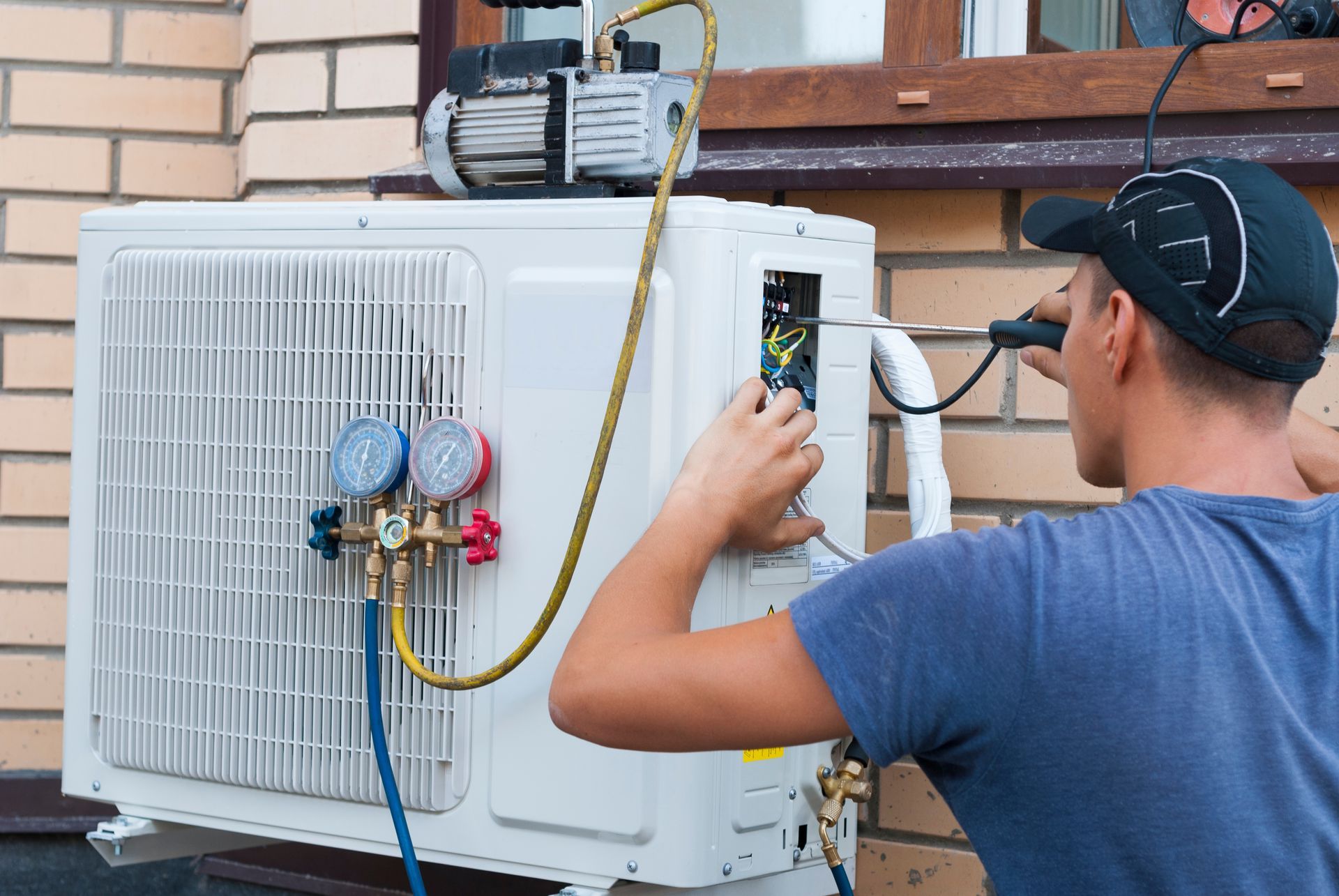
Heat pumps and traditional heating systems don't last forever. In a coastal market like Mount Pleasant, SC, they often reach the end of effective service life faster than national averages suggest. Understanding where your system stands against five key indicators may save you from throwing good money at a system that is well past its useful life. When the time comes, home heating system installation is a worthwhile investment that pays off in reliability and lower operating costs.
Five Signs Your Heating System May Need Replacing
Replacement becomes the smarter financial choice when repair costs and performance decline compound together.
System Age Beyond 15 Years
Most heating systems carry a rated service life of 15 to 20 years under typical conditions. Mount Pleasant, SC, is not typical. The community sits in a coastal environment where salt air moves inland year-round, accelerating coil corrosion, cabinet oxidation, and electrical contact degradation on outdoor equipment. A system that might limp along for 18 or 19 years in an inland South Carolina market can reach its repair-cost acceleration phase several years earlier here. Once a system crosses the 15-year mark in a coastal environment, each repair is often followed quickly by another. That pattern is a signal worth paying attention to.
The 50% Rule for Repair Costs
A practical financial test for any aging system is the 50% rule. When the cost of a single repair approaches or exceeds half the estimated cost of a replacement system, continued repair rarely makes financial sense. The money spent on that repair extends a degraded system's life by months, not years. A free estimate on a replacement system gives you the number you need to apply this test with real data rather than guessing.
Uneven Heat Distribution Across Rooms
Rooms that never reach the thermostat setpoint, noticeable temperature variance between zones, or a system that runs continuously without achieving the target temperature are signs of performance degradation. These symptoms typically point to coil efficiency loss or ductwork deterioration that accompanies an aging system. Repair can address individual components, but it usually cannot restore the underlying efficiency of a system that has been declining for years.
Rising Energy Bills With No Other Explanation
A heating system working harder to deliver the same output shows up on the energy bill before it shows up as a breakdown. A 20 to 30 percent increase in heating costs during a comparable-weather period is a performance signal worth evaluating. If your usage habits haven't changed and your bills have climbed steadily, the system's declining efficiency is likely the cause. This is one of the earliest and most consistent warning signs that home heating system installation in Mount Pleasant, SC, may be approaching.
R-22 Refrigerant Systems Still in Service
R-22 refrigerant is no longer manufactured in the United States. Supplies are limited to reclaimed stock, and service costs have risen significantly as availability has tightened. A Mount Pleasant homeowner still running an R-22 system is paying an increasingly expensive premium for maintenance that a replacement system using current refrigerant would eliminate entirely. If your system was installed before 2010 and you have not confirmed the refrigerant type, it is worth checking. That single factor can shift the repair-versus-replace calculation significantly and may make home heating system installation the more economical path forward.
Why Mount Pleasant's Coastal Climate Changes the Timeline
Mount Pleasant's coastal environment makes every threshold above more relevant and more time-sensitive. Salt air and year-round humidity drive coil corrosion and component oxidation faster than in drier or inland markets. This means Mount Pleasant homeowners should apply the replacement indicators at the lower end of the range rather than waiting for every criterion to be met at once. A 14-year-old system showing rising energy bills and uneven heat distribution in a coastal environment is already telling you something a system in an inland climate might not say for another two or three years.
Home heating system installation planning in Mount Pleasant, SC, is not about waiting for a system to fail completely. It is about recognizing the compounding effect of coastal wear on aging equipment before it forces an emergency decision in cold weather.
The combination of salt air corrosion on heat exchanger coils, moisture-accelerated electrical degradation, and the constant thermal cycling of a year-round humidity environment means that component wear curves are steeper here than manufacturers' national estimates reflect. Applying the replacement indicators conservatively is not overcaution. It is the practical response to local conditions.
Ready to Replace Your Heating System in Mount Pleasant, SC?
Lowcountry homeowners looking for a clear starting point can reach out to Carolina Air Care for a free estimate on heating system replacement. With more than 20 years of Lowcountry experience, three consecutive Angie's List Super Service Awards (2017, 2018, and 2019), and partnerships with Lennox and Rheem, the team brings local knowledge and verified credentials to every assessment. A free estimate puts the numbers in front of you so you can apply the 50% rule with confidence and decide with full information rather than guesswork.
To schedule your
home heating system installation evaluation or ask about replacement options, call
(843) 771-3315 or visit the
contact page to request a free estimate online. The team serves Mount Pleasant, SC, and surrounding Charleston County communities seven days a week, with after-hours emergency service available.